

 Shopify blog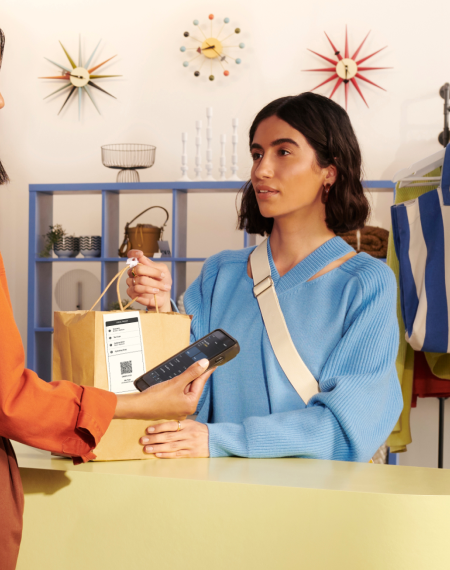

Cyber Week is closer than you think. So is the other big C: Christmas.
In 2024, November–December sales saw year-over-year gains in seven out of nine retail categories, with online and other nonstore sales up 8.6%. And Salesforce reports that two in three buyers waited until Cyber Week to splurge.
So if holiday revenue is on your wishlist, now’s time to start planning.
Holiday popup shops are one of the fastest, lowest-risk ways to show up in person, drive seasonal sales, and meet new customers—all without committing to a full store buildout.
Ahead, you’ll learn where to host them, what to sell, how to drive revenue, and real-life popup examples that deliver results.
What is a holiday popup shop?
A holiday popup shop is a temporary retail space set up during the holiday season to take advantage of higher foot traffic and seasonal spending.
These short-term shops typically open for a limited time and focus on giftable products, limited-edition items, or festive experiences that attract shoppers with a holiday mindset.
Popups can appear just about anywhere: from farmers markets to shopping malls, inside other retail stores, or even in motorized vehicles, thanks to the success of food trucks.
Anywhere you can imagine selling your goods has the potential to become a popup shop.
Why host a holiday popup shop?
“Retailtainment” is the fusion of retail and entertainment: a strategy in which the experience is just as important as the product. And it works.
“The specific atmosphere the retailer creates can, in some cases, be more influential in the decision-making process than the product itself,” reports the National Retail Federation.
And there’s never been a better time to lean in. According to ICSC, holiday shoppers planned to spend an average of $706 in 2024—the highest number since 2018.
It’s true that shoppers want discounted products, but they’re also looking for memorable experiences. A holiday popup gives you the perfect stage to create one.
Build brand awareness
You can’t be top of mind if no one’s heard of you.
A holiday popup puts your brand in front of new shoppers at the exact moment they’re looking to buy. It’s your chance to move from screen to street.
Meeting new customers when everyone is in the holiday spirit is also a great way to connect with your local community—and sell more while you’re at it. In fact, 71% of people prefer local retailers even if they're more expensive, according to Locally.
Test new products
Want customer feedback without the guesswork? A popup makes it possible.
Popups offer rapid real-time validation. You’ll see what draws people in, what gets picked up, and what gets ignored—all without waiting for returns or support tickets.
A popup shop acts like a live focus group that also brings in revenue. If it works, scale it. If it flops, move on. Temporary shops can also spotlight existing products, helping you move seasonal inventory that might otherwise pile up.
Boost holiday sales
Often called the “AirbnB of popup shops,” xNomad reports that brands see 20%–30% higher sales per square foot at popups compared to traditional stores. And research confirms that seasonal popups generate revenue spikes during peak periods. A popup gives you the urgency of the holiday season, minus the burden of a year-round lease.
Lower customer acquisition costs
Depending on your industry, acquiring a customer online can cost anywhere from $127 to $377.
When you compare that to in-person retail, you can get that number down to single digits. Data from Focus Digital shows that in urban sites, the average in-person customer acquisition cost (CAC) at retail events or storefronts is just $7.
Let’s say your average online CAC is $129 (pretty standard for fashion or beauty). With a popup, though, new customers can cost just $7 each. That’s a $122 saving per customer. Land 100 new shoppers during your popup, and you’ve saved $12,200 on acquisition alone. Plus, you’ve built face-to-face trust.
💡Pro tip: If you’re running your store through Shopify, you can find your CAC directly in your Analytics Overview dashboard. Head to Analytics → Reports → Overview dashboard and scroll to the Customer Acquisition Cost card. You’ll also see how it trends over time, which can help you decide whether a popup shop could bring that number down.
12 holiday popup shop ideas for 2025
The most successful popups share one thing: they give customers something they can't get online.
That means creative holiday popup themes that draw people in, keep them browsing, and turn casual foot traffic into sales.
Themed experiences
Themed popups create a world your customers want to step into. The key is choosing a theme that matches your brand and adds joy, magic, or memorable touch to the shopping experience.
Winter Wonderland
A “Winter Wonderland” theme is one of those rare holiday popup shop ideas that feels classic and is photogenic. The theme recreates a classic wintry setting—usually with white, silver, and light blue decor, faux snow, snowflakes, pine trees, and soft lighting.
In 2024, Starbucks Reserve turned its Empire State Building store into a Winter Wonderland inspired by Costa Rica’s native botanicals, complete with sculpted white coffee trees, recycled floral installations, and hidden jungle creatures among the leaves. Alongside the decor, they launched limited-time drinks like the Caramel Brulée Eggnog Latte, Eggnog Espresso Martini, and the exclusive Empire State Cocoa Cocktail.
Santa Claus
Santa doesn’t just work in a toy shop. He shows up wherever your customers are. A Santa-themed popup can take many forms: the classic “Santa’s Workshop” setup with toy displays and elf decor, or a more grown-up twist with seasonal cocktails and cozy lighting.
At Denver International Airport (DIA), Santa’s Layover Lounge launched in 2024 as the world’s first airport holiday popup bar and restaurant. The popup featured festive cocktails, holiday-themed dishes, a hot chocolate bar, and surprise Santa sightings at unscheduled times.
And passengers adored the idea. “We left Steamboat at 7:00 in the morning and just got booted off our plane going to Kona because of engine problems, so this was amazing to find,” said a traveller at DIA.
Apres-ski lodge
In the literal sense, après-ski is what you do after skiing: warm up, wind down, and drink something strong.
The holiday popup version borrows the decor: skis on the wall, snow-dusted greenery, flannel blankets, staff in knit hats—and transforms your shop into a mountain bar without the altitude. Think warm lighting, plush textures, and just enough alpine scents to deliver a luxury holiday popup concept without going full ski lodge.
Menus lean cozy: hot toddies, spiced cranberry cocktails, maybe something called “Cabin Fever.”
At Cindy’s Rooftop in Chicago, the South Terrace Bar was transformed into a ski chalet in winter 2024. Beverage manager Kylie McCalla called it a “nondenominational representation of the holidays in winter.”
Product-focused concepts
Sometimes the best way to draw people in is with what they can walk out with.
A gift-wrapping station
A gift-wrapping station does exactly what it says: gives shoppers a place to wrap their purchases, either self-serve or staffed, with paper, tags, ribbon, and maybe a little music playing in the background.
In December 2024, Heineken set up an experientialHeineken Wrapping Bar inside Toronto’s Union Station. The setup was simple: guests dropped off gifts to be wrapped while they had a drink: either a Heineken or the nonalcoholic 0.0 version. The location, inside a historic train station, ensured high foot traffic and a built-in audience of commuters and travelers.
A local artisan marketplace
An artisan marketplace popup brings together a curated group of local makers: ceramicists, bakers, candle pourers, textile artists, you name it—under one roof. You can host it solo, co-curate with a few like-minded brands, or join an existing market as a featured vendor.
Amsterdam’s Christmas Village is free to enter and cozy by design. In 2024, over 45 artisan stalls lined Museumplein, offering mulled wine, small-batch art, winter clothing, and handmade gifts in a snow-dusted setting.

A personalization lab
A personalization lab typically offers live customization options. Think onsite ornament engraving, hand-lettered gift tags, or monogrammed stockings. The concept creates one-on-one interaction and a bespoke takeaway for shoppers.
In December 2024, Samsung Canada launched the Galaxy Gift Studio popup at Toronto’s STACKT Market. Visitors used Galaxy Tab S10 Ultras and S Pens to create digital art—guided by built-in Galaxy AI. Once finished, they could print their custom design on a giftable item like a tote bag, t-shirt, ornament, or poster to take home as a one-of-a-kind present.

Activity-based shops
According to the Wall Street Journal, shoppers who participate in an activity and “slow down” while shopping are more likely to stay longer and spend more. That’s the magic of interactive holiday popup experiences.
Here’s are some standouts from last season:
DIY craft corners
Offer customers a simple, seasonal craft. Wreath-making, ornament painting, and stamp-your-own gift tag stations are all fair game. You can charge a small fee, bundle it with a purchase, or run it as a low-cost way to drive engagement.
Returning for the 2025 holiday season, the ICE! exhibit at JW Marriott San Antonio Hill Country Resort & Spa invites guests to step into a Frosty the Snowman–themed wonderland. The walkthrough includes 11 immersive scenes, hand-carved sculptures, massive ice passageways, and four two-story ice slides—all kept at 9°F.

Alongside the exhibit, the resort transforms its 40,000-square-foot ballroom into Reindeer Ridge, a hands-on holiday hub featuring a Build-A-Bear workshop and a gingerbread decorating corner.
If you’re after DIY Christmas popup shop ideas that don’t take a full team to run, try this: a wreath-making bar and some kid-proof ornament paint. Play “Jingle Bells” for atmosphere, and you’re good to go.
Hot cocoa and holiday treat bar
Set up a self-serve cocoa station with seasonal toppings like whipped cream, crushed peppermint, marshmallows, and cinnamon sticks. Add holiday cookies, gingerbread, or locally made pastries.
Take a cue from Pan Pacific London’s Pierre Marcolini cart from last year, where shoppers could warm up with gourmet hot chocolate or chocolate cocktails. Think cinnamon hot chocolate with rum and Cointreau, or a gingerbread version with spiced syrup.
Pet-friendly holiday photos
According to Mintel’s research, pet ownership has reached 73% in the US. More and more shoppers are looking for ways to include their pets in holiday traditions.
A simple photo booth setup with festive backdrops and holiday props can draw in foot traffic and encourage social sharing—especially if you make it clear that pets are more than welcome.
At the 2024 Pawliday Party Pop-Up hosted by Pup & Co Muskegon, dogs got the full festive treatment. The popup included holiday photo ops, make-and-take crafts, free goodie bags, and gift-ready treats.
How to launch your holiday popup in eight steps
Holiday popup shops can be quick and easy to organize, running for as little or as long as you need. Here are some key points to keep in mind.
Step 1: Define your concept and what to sell
Before booking a space, clarify what you're offering and why it fits with the season. If your setup looks and feels like every other booth at the market, it’ll get lost. Lean into unique Christmas market stall ideas, like scent-testing stations for your candle line, or a “gift under $25” wall that lets shoppers browse quickly.
If you're a Shopify merchant, open your Shopify Analytics dashboard and look at your top performers from last holiday season. Those are your popup heroes.
Start with your proven winners.
But don’t stop there. Ask yourself:
- Who are you trying to reach? Is it busy parents looking for last-minute gifts? Gen Z students shopping after class? Dog owners at a local park event?
- What vibe do you want your popup to have—cozy and nostalgic? Luxe and minimalist? Quirky and interactive?
- Are you launching a holiday collection, moving slow inventory, or building awareness for your main store?
💡Pro tip: Don’t try to recreate your entire store in a tiny space. Curate intentionally. Use Shopify Collections to group and manage holiday inventory separately: both online and in-person. This makes it easy to feature just your bestsellers, gift bundles, or themed SKUs without messing with your core product setup.
Step 2: Set a realistic budget
Plan a popup shop the same way you would any business. This includes setting a budget and sticking to it. Some things you’ll want to factor in are:
- Cost of renting a space and utilities
- Furniture, including tables, chairs, and lighting
- Merchandising, such as tablecloths, signs, paint, and product displays
- Inventory handling and shipping
- Marketing and promotions
- Checkout, including point of sale systems and credit card fees
- Insurance, depending on the size of your pop-up shop and how long it’s running
You can also offset some costs by securing sponsors: local brands, beverage companies, or gift suppliers who want visibility in front of your audience.
📖Read: Pop-Up Shop Guide 2025: Start Your Temporary Store
Step 3: Secure licenses, permits, and insurance
Start with your city's website or call the small business office. Most cities have temporary retail permits designed for exactly what you're doing.
For example, in Seattle, it's called a "Temporary Use Permit." In Austin, it's a "Special Event Permit." (Don’t worry, the person answering the phone will know exactly what you’re asking.)
Here’s what you’ll definitely need:
- A temporary business license or seller’s permit
- A sales tax permit if you’re selling taxable goods
- A signage permit if you’re putting up outdoor banners or displays
- A food handling permit if you're serving edible products
- Liability insurance to protect against slips, trips, or product-related mishaps
Step 4: Find the perfect location
For popups, location is all about foot traffic.
The best popup spots don’t always have to be in the trendiest zip codes. Ideally, your holiday popup should be located where your target customers are already spending time. That could mean busy shopping districts, markets, events, or transportation hubs where your shoppers are already hanging out, credit card in hand.
A few location options to consider are:
- Pop-in stores: Rent space inside an existing retail store; great for brands with overlapping audiences. Check platforms like We Are Pop Up to find listings.
- Holiday markets: Join curated events (e.g. Sip Shop Eat, American Field) where multiple brands pool marketing efforts to drive heavy foot traffic. Always ask which brands typically participate to ensure audience alignment.
- Leased commercial space: Try a short-term retail lease if you're ready to experiment with your own space. Sites like The Storefront can help you browse and filter options.
- Virtual popup shops: Skip the physical space and host a digital holiday event. Platforms like We Are Women Owned offer turnkey virtual popup shop hosting.
Here’s how to find a location that works:
- Look for complementary neighbors or businesses: For example, a vintage clothing popup next to a coffee shop or tattoo studio offers the perfect audience overlap.
- Check foot traffic data: Tools like Placer.ai or Storefront often offer estimated traffic metrics for popular spaces.
- Spend a full day sitting near potential spots: Count how many people walk by who look like they'd buy your products. The answer might surprise you.
Step 5: Plan your layout and merchandising
Your layout, displays, and decor shape the entire shopping experience. Strategic merchandising helps you stand out from online retailers and big-box stores.
In fact, Shopify data shows that:
- 85% of US and Canadian shoppers think local stores offer a better in-store vibe than online retailers.
- 50% of merchants say they’ve improved store experiences specifically to compete with marketplaces.
Here are four key merchandising elements to focus on:
- Visual merchandising: This covers everything customers see: from the entrance to checkout. Think layout, product flow, signage, and decor. A well-planned store design helps people move naturally through the space and increases time spent browsing.
- Product displays: Don’t just stack items on a table. Use garment racks, modular shelves, baskets, or risers to create visual interest and organize by category or gift type. Show off bundles and bestsellers in high-traffic zones.
- Cross-merchandising: Place complementary items side by side. For example: mugs next to hot cocoa kits, or scarves next to jackets. It’s a subtle nudge that increases AOV and reduces decision fatigue.
- Window displays: If your space has street-facing windows, treat them like a billboard. A standout window can grab attention from passersby and create a sense of curiosity. Use props, lighting, and signage to tell a story at a glance.
If you don’t have a huge budget, don’t worry. A minimalist holiday popup design—neutral palette, clean lines, and soft lighting—can feel just as festive with Christmas carols playing in the background.
💡Pro tip: Beyond how your products are displayed, think about where customers check out. With Shopify POS, you can turn your entire shop floor into a checkout zone. Staff can take payments from anywhere using mobile devices, so you’re not bottlenecked by a single counter.
Step 6: Set up your payment and POS system
A slow or clunky checkout process kills conversions—the last thing you want is to lose a customer right at the finish line.
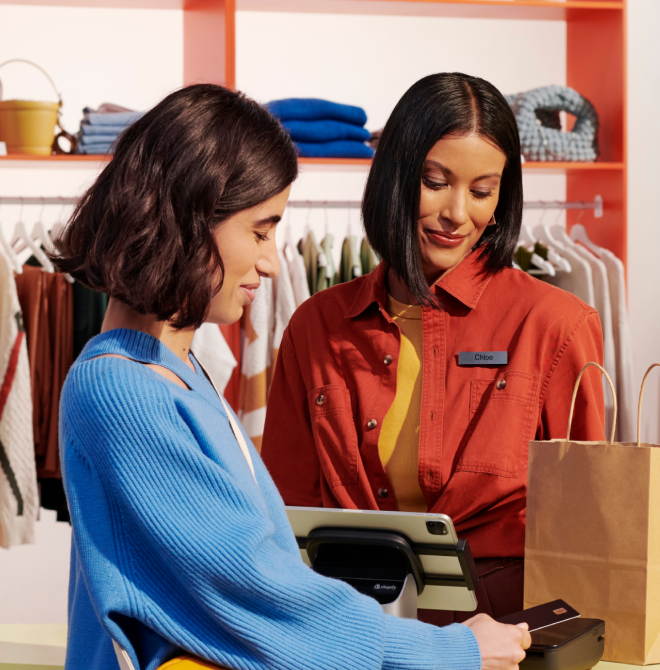
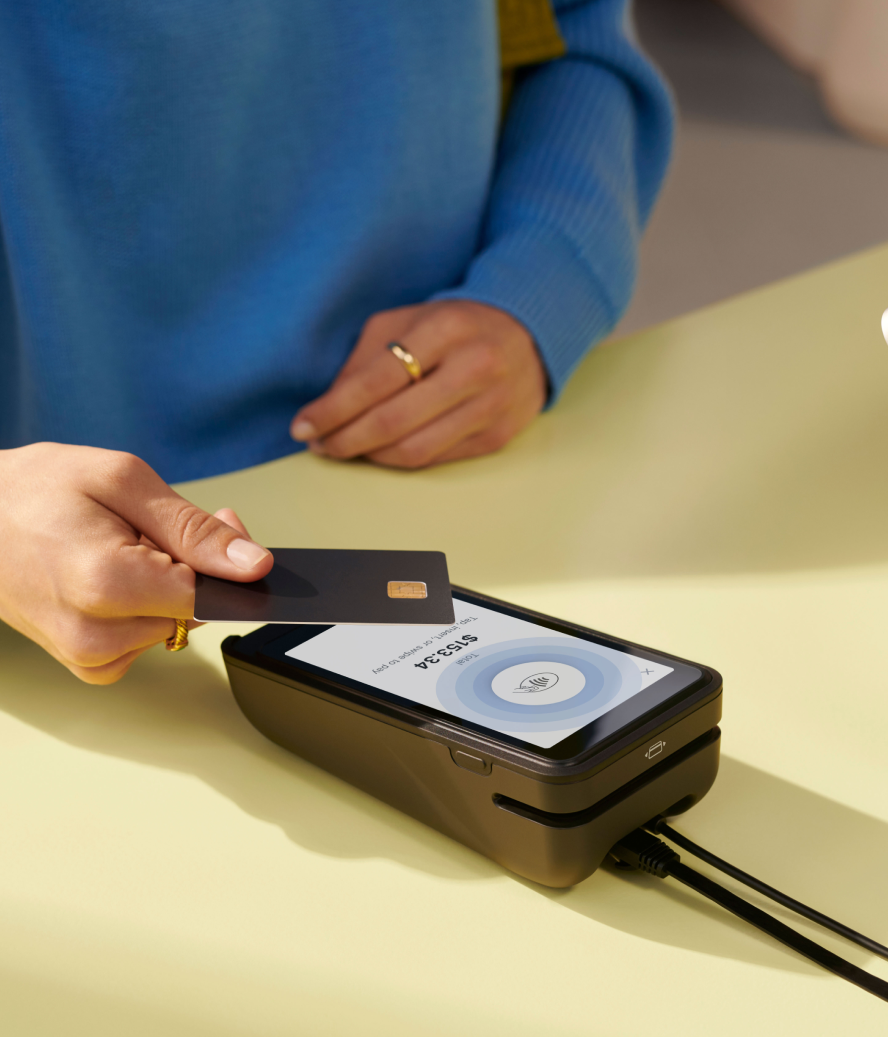
That's why it's non-negotiable to use a flexible POS system like Shopify POS, which accepts everything from credit and debit card payments to contactless mobile payments (Apple Pay and Google Pay), gift cards, and more.
When someone buys that bracelet they've been eyeing on Instagram, their purchase automatically updates your online inventory.
When they sign up for your email list, it syncs with your Shopify customer database.
When they use a discount code, it works the same way it does online.
Everything just works.
With Shopify POS, you'll also be able to:
- Create customer profiles so you can personalize post-purchase notifications and future marketing campaigns
- Manage inventory across all channels in real time
- Offer various order fulfillment options
- Set up staff roles and permissions if you have help working the popup
- Attribute sales to associates to track performance and incentivize your team
Take Unfinished Legacy. A Milwaukee-based streetwear brand known for bold, screen-printed drops, this Shopify merchant had a great problem: lines out the door at every event.
But that kind of hype comes with friction: long wait times, clunky payment apps, missed sales, and frustrated customers.
With foot traffic booming, long checkout lines became an issue, until they switched to Tap to Pay on iPhone. Armed with just iPhones and the Shopify POS app, the team now takes contactless payments from anywhere in the space, cutting queues and racking up stunning results:
- 5x faster checkout at popups
- Shorter wait times at payment
- No extra hardware needed, just iPhones
“Our popups are an experience,” says Mike Esiobu, marketing manager at Unfinished Legacy. “Tap to Pay on iPhone enables everyone on our team of five to walk around and accept payments on the spot. Payment is the last touchpoint we have with customers, and we wanted their experience at our popups to end on a positive note.”
💡Pro tip: Plan how to sell and how to fulfill. Use your popup to offer flexible options like buy online, pick up in-store (BOPIS), ship to home, or endless aisles so you don’t lose sales due to space or stock limits.
Step 7: Market your popup shop
Great popups feel serendipitous, but behind every "I just stumbled upon this cute little store!" moment is a solid marketing plan.
Use social media to drive local traffic
In our research, we found that 57% of US shoppers discover local retailers through social media.
So:
- Focus on platforms your customers already use—Instagram, TikTok, Facebook—and geotag every post or story to get visibility in local feeds.
- Use event countdowns, sneak peeks, and behind-the-scenes content to build anticipation.
- Use local hashtags like #ChicagoChristmas or #BostonWinter to show up organically in people’s feeds looking for holiday events.
- Go a tad bit old-school and even put up a sidewalk sign before and during the popup to give people something to look forward to.
Use Taplink to create a customizable “link in bio” landing page that matches your brand. Add your logo, match your fonts and colors, and claim a custom URL to turn Instagram or TikTok browsers into pop-up visitors.
Partner with local businesses and influencers
Don’t go it alone—team up. Partnering with nearby cafés, boutiques, or gyms can help you tap into foot traffic you wouldn’t get otherwise. Leave postcards at their checkout counter, offer cross-promotions (like a free coffee with purchase), or co-host a weekend event.
Local influencers can also help you drive real traffic, fast. Over 80% of marketers say influencer marketing is highly effective, making it a core part of their strategy.
Look for people who actually live in your area and regularly post about local businesses. A mom blogger with 2,000 local followers is often more valuable than the lifestyle influencer with 500,000 followers across the country. Focus on micro-influencers (5K–50K followers) who are actually based in your city and whose audience aligns with your ideal shoppers.
Pitch local media and event calendars
Get your holiday popup listed in the places locals actually check. Submit your event to city-specific calendars, tourism boards, community bulletins, and hyperlocal blogs.
Many cities have dedicated “Things to Do This Weekend” roundups for public events.
Here’s a pitch template you can use: "Hi [Name], I'm [Your Name], and I've been running [Your Business] online for [Time Period]. This December, I'm bringing my [Product Type] to a popup at [Address] in [Neighborhood]. What makes this unique is [Your Special Thing—maybe it's locally made, sustainable, or solves a specific problem]. I'd love to invite you to check it out, and I'm happy to provide more information or product samples if you're interested in featuring it. Thanks for supporting local businesses!"
Step 8: Engage customers and build your email list
Popups are a powerful way to connect with customers face-to-face and turn foot traffic into future sales.
Encourage visitors to sign up for your email list with an incentive: a small discount, a freebie, or entry into a holiday giveaway. Keep a tablet at checkout, use a QR code at your display, or offer handwritten signup cards if your audience prefers low-tech options.
And don’t forget to follow up. Use Shopify Email to send a warm thank-you message and offer a code for 10% off their next online order. With Shopify, you can also segment your email list based on in-person purchases, making your future marketing even more personalized.

After the popup: Measuring success and planning next steps
Your holiday popup is over—now what? It’s time to find out what worked, what didn’t, and how to make your next one even better.
Key metrics to track (and how to track them)
These are the clear indicators of performance:
- Net sales: The total revenue generated from your popup. Use Shopify’s Sales by POS location report to break this down.
- Average order value (AOV): Total sales divided by the number of orders. A high AOV means that customers bought more per transaction. Check your AOV in Shopify's Overview Dashboard if you've customized it to show that card. Just add the “Average Order Value” metric from the Metrics Library if it's not already visible.
- New email signups: How many new customers joined your list? Shopify Forms shows you how people interact with your signup forms, so you can see what’s working, what’s not, and fine-tune your next campaign.
💡Pro tip: If you offered a special promo code for popup visitors, check how often it was used to measure direct ROI.
Gather customer feedback for future events
Don’t wait until your next popup to guess what worked. Ask your customers while it’s still fresh.
- Use QR codes at checkout to link to a short feedback form.
- Offer a small incentive (like 10% off their next order) to increase responses.
- Keep it simple: Ask 3–5 questions like “What did you enjoy?”, “What could be better?”, and “Would you attend another one?”
- Review your form dashboard in Shopify to see submissions, trends, and drop-off points.
Read more
- Pop-Up Shop Ideas: 19 Examples from Real-World Retailers
- Retail Holiday Shopping Calendar: Every Date to Know (2023)
- Holiday Marketing 101: How to Drive Sales During the Most Wonderful Time of the Year
- How To Connect With Local Customers During The Holiday Season
- Valentine’s Day Gifts: How to Cash in on the First Retail Holiday of the Year
- 7 Cyber Monday Tactics to Help Physical Retailers Compete
- Holiday Social Impact 101: Connecting with Conscious Consumers In-Store and Online
- Shop Local in Los Angeles This Holiday Season
- Shop Local in Toronto This Holiday Season
Holiday popup shop FAQ
How do I set up a popup Christmas shop?
Start with your goal: brand awareness, new customer acquisition, or seasonal sales. And work backwards.
Then secure a high-foot-traffic location, whether that’s a mall kiosk, vacant storefront, or event venue. Use Shopify POS for seamless online/offline integration, and don’t forget signage, staffing, and inventory tailored to the season.
What do I need to legally run a popup shop?
It depends on your location, but you’ll typically need a temporary business license, sales tax permit, and proof of insurance. If you’re renting a space, your landlord may require additional documentation.
Check with your local small business office or city hall to confirm exactly which permits and insurance are required.
Are popup shops successful?
Yes—when done right. Popups work especially well for seasonal spikes, launching new products, and creating memorable in-person experiences. According to Storefront, popup shops can bring in 20%-30% more revenue than traditional brick-and-mortar stores.
Are popup shops cost-effective?
They can be. Compared to a full retail lease or large ad campaign, popups offer high-impact visibility with lower overhead. In-person customer acquisition can cost as little as $7 per shopper in urban settings—far below typical digital CACs.
Seventeen percent of popup shops cost between $5,000–$10,000. Costs drop even further if you run an online or virtual popup.

