



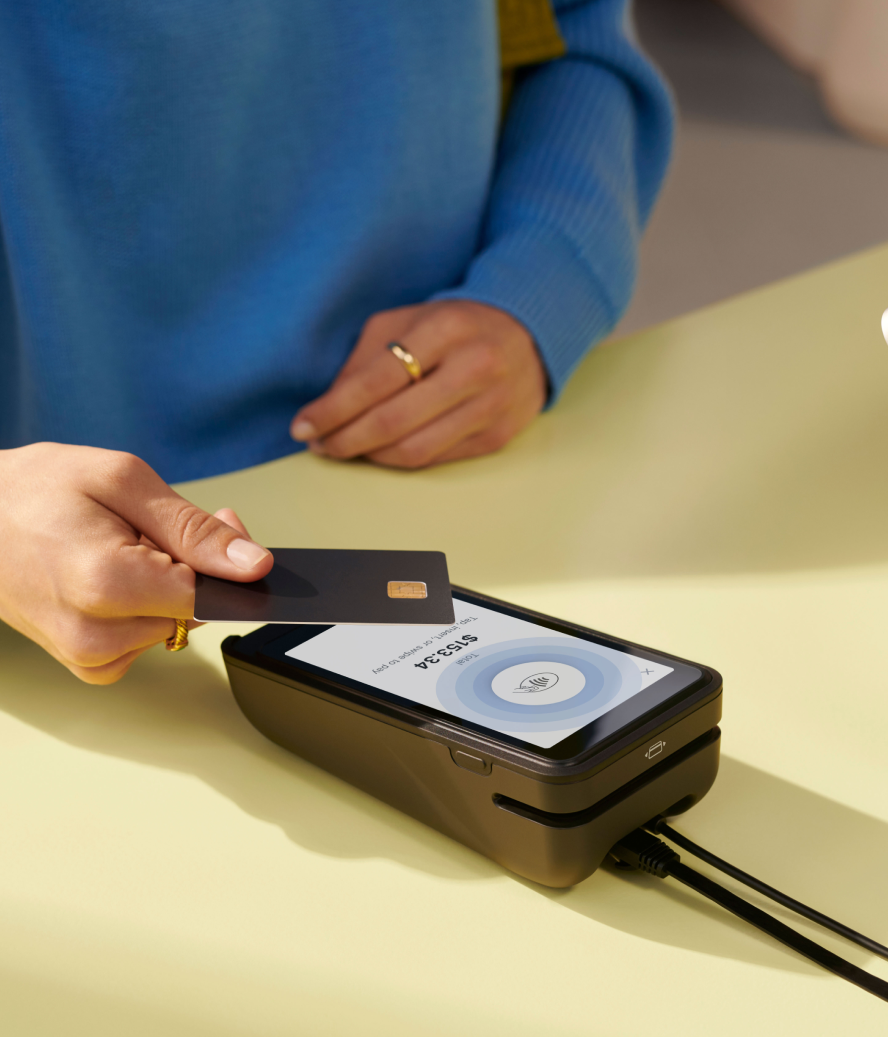

A chargeback happens when a customer asks their credit card issuer to reverse a transaction, returning funds used in a purchase. Chargebacks differ from inquiries; with an inquiry, funds aren’t withdrawn during the investigation, while a chargeback reimburses the buyer and debits the business’s account.
Mastercard’s 2025 State of Chargebacks report forecasts global chargeback costs to store owners will rise from $33.79 billion in 2025 to $41.69 billion by 2028. That means understanding how chargebacks work—and how to respond to them—has a direct impact on revenue.
This guide covers how the chargeback process works, the most common reasons chargebacks are filed, how to dispute them, and how to reduce their frequency.
What is a chargeback?
A chargeback occurs when a customer questions a credit card transaction and asks their bank to reverse it. Customers request chargebacks when items they purchase never arrive, they’re double-charged, or they believe they’ve been fraudulently charged.
Chargebacks differ from standard return requests in several ways. With a chargeback, funds are held from businesses until payment card issuers decide what to do. If they rule against the retailer, funds are returned to the cardholder.
Retailers are also charged a fee by merchant services providers to investigate and resolve chargebacks. Shopify Payments chargeback fees vary by country (for example, $15 USD in the United States, $200 MXN in Mexico).
Chargebacks versus inquiries
If you run an online store, it’s likely you will run into chargebacks or inquiries. Both happen when a customer (or someone who thinks their card was used without permission) tells their bank there is a problem with a charge.
The difference is in how quickly the bank withdraws the funds.
The chargeback process explained
What follows is the specific process customers, store owners, and credit card companies go through when dealing with chargebacks.
Customer disputes the charge
After a retailer collects money from a customer, transaction details should appear on the customer’s credit card statement.
If the customer doesn’t recognize the transaction or receive the purchase, they can dispute the charge with their card issuer (usually via a banking app or over the phone).
US law requires card issuers to offer chargebacks within 60 days of the date of billing.
Credit card providers may need to see evidence, such as a purchase receipt or communications with the merchant, to authorize the chargeback.
Store owner is notified and funds/fees are handled
The customer’s card issuer sends the chargeback notification to the store owner.
At this stage, the bank automatically debits the disputed amount plus a processing fee from the store owner’s account while the investigation is ongoing.
Store owner submits evidence
If the store owner believes the charge is valid, they can contest the chargeback by submitting evidence (e.g., proof of delivery, signed contracts, or IP logs) to the customer’s card issuer.
The credit card company can take up to 75 days to review the store owner’s chargeback response. Some cards, like Visa, require store owner banks to respond with evidence within 30 days of a chargeback.
Bank/card network review and decision
Chargeback disputes end with the store owner accepting the chargeback, the customer canceling the chargeback, or further arbitration by the credit card company.
- If the store owner wins: They get the disputed money back. If they are on Shopify, they might also get a chargeback fee refund, depending on where the business is located.
- If the customer wins: The money stays with the customer and is not returned to the store owner.
Arbitration
If neither party is willing to accept the outcome, the credit card provider is called on to make a final decision over the chargeback dispute.
If the dispute is found in the store owner’s favor, the customer’s bank returns the amount to the store owner (plus any fees, depending on region).
However, store owners may have to pay additional fees if the chargeback is deemed valid.
Chargeback timelines and deadlines
When a customer files a dispute against your business, only certain things are within your control. The bank will work on its own timeline, but you can control your response time and the quality of your evidence.
How long merchants usually have to respond
You don’t have a long time to answer a chargeback. Usually, your window to respond is only seven to 21 days, depending on the processor.
The deadline is set by the card network and your payment processor, such as Stripe or Adyen. The exact dates vary by your bank and the reason for the dispute.
Your actual deadline is the one shown in your processor’s dispute notice, not the general rules you find online. If you miss the deadline, you automatically lose the case, even if you have strong evidence supporting your case.
How long banks usually take to review
Once you submit your response to the bank, the timeline is out of your hands.
The bank that issued the customer’s card reviews your evidence to make a final decision. This stage usually takes several weeks to a few months. For complex cases, the final decision can take up to 90 days.
What’s most important is gathering evidence immediately and submitting your case. Don’t wait until the last minute, otherwise you could miss the deadline and lose out on revenue.
Reasons for a chargeback
When a credit card company issues a chargeback, they use a code to indicate the reason for the reversal. There are four general chargeback code categories:
Fraud
Chargebacks protect against card cloning and other fraudulent purchases made without the buyer’s knowledge or consent. Fraud is the most common reason for a chargeback.
Note: A point-of-sale (POS) system that accepts secure payment technologies like EMV chip cards can help protect your business and customers from fraud.
Quality
Chargebacks also keep retailers accountable. If a buyer receives a defective product, or never receives the item they paid for, they can initiate a chargeback.
In many cases, no proof of delivery or an unclear or inadequate returns policy will mean a customer is entitled to a chargeback.
An increasing number of merchants are offering product or service subscriptions. While free trials encourage customer sign-ups, they can lead to chargebacks if subscriptions aren’t canceled promptly when requested.
Clerical
If a buyer is billed twice for an item, or a return is made without a refund, a clerical chargeback can be raised.
Technical
If there’s an issue with the buyer’s bank, credit card, or the funds in their account, a technical chargeback may be issued.
Website errors and confusing checkout processes can also cause technical chargebacks. To combat this problem, use a reliable ecommerce solution.
Shop Pay has a clear checkout process so customers know exactly what they’re buying.
Illegitimate chargebacks (friendly fraud)
Sometimes, customers will initiate chargebacks despite receiving their purchases.
Termed “friendly fraud,” illegitimate chargebacks can occur because consumers are unhappy with their products, are confused about payments, or are simply trying to gain a free product. In fact, it’s estimated that nearly half of all chargebacks happen as a result of fraud.
As Nicolas Tranchant, founder of jewelry store Vivalatina, says, “The biggest reason for our chargebacks has been the client’s dishonesty. Sixty percent of them are claimed without even an email to explain there is a problem with the jewelry we had shipped to them, with no explanation and no intent to give us the opportunity to solve the issue.”
In these cases, merchants can dispute customer chargebacks to regain funds.
Shopify dispute reasons you’ll see in admin
When a dispute appears in your Shopify admin, it’s assigned a reason. The evidence you’ll need to provide depends on which label the bank has assigned to the case.
Fraudulent
The most common reason: it means the cardholder claims they did not authorize the charge.
What to do: Contact the customer. It could be that a family member made the purchase, or they forgot about making it. If they agree the charge is valid, ask them to withdraw the dispute from their bank.
Evidence to provide:
- Date and time the order was fulfilled
- The customer’s IP address and country
- Billing information
- Shipping tracking numbers
Unrecognized
The customer doesn’t recognize your store name or location on their bank statement.
What to do: Contact them to see if they forgot about the purchase. If they agree to withdraw the chargeback, submit their written statement as proof.
Evidence to provide:
- Date and time the order was fulfilled
- Billing information
- Tracking details
Duplicate
The customer believes you charged them twice for one purchase.
What to do: If it was an error, you accept the chargeback. If they actually made two separate orders, you have to prove they are different.
Evidence to provide:
- Receipts showing different items
- Any emails where you discussed the two separate charges
Subscription canceled
The customer says they were charged after they canceled a subscription, or they didn’t get a reminder for a recurring charge.
What to do: Show that they received a reminder and didn’t cancel until after the charge happened.
Evidence to provide:
- Your cancellation policy
- Emails showing when they canceled
- An activity log showing they used the service post-cancellation date
Product not received
The customer claims their order never arrived.
What to do: Check your tracking data. Shopify automatically uploads a PDF of fulfillment events for you.
Evidence to provide:
- Shipping and tracking information that shows a successful delivery
Product unacceptable
The item arrived, but the customer says it was damaged, defective, or not as described.
What to do: Check if they tried to return it first or if you already sent a replacement.
Key evidence:
- Detailed descriptions or photos from your store proving the item was as described.
- Proof that the customer didn’t try to return the item before filing the dispute.
Credit not processed
The customer says they returned the item or you canceled the order, but you never gave them a refund.
What to do: You can’t issue a refund once a chargeback is active. If it is only an inquiry, you can still refund them to stop it from becoming a chargeback.
Evidence to provide:
- Your refund policy
- Proof that the customer wasn’t entitled to a refund, or that you already sent one
General
This is used for any issue that doesn’t fit the categories above.
What to do: Contact the customer to find out the specific problem.
Evidence to provide:
- Any supporting documentation about purchase date, shipping, etc.
- A chargeback withdrawal letter from their bank (if they agree to withdraw)
How to dispute a chargeback
When disputing a chargeback, respond as quickly as possible, since delayed action may result in a chargeback loss.
1. Gather information
When you’re notified of a chargeback, identify the customer and transaction in question. Gather as much information about the transaction as possible, including warehouse data and delivery status.
You can also contact the customer directly to see if their issue can be resolved.
2. Submit your chargeback response
If you disagree with the reasons for the chargeback, you can submit your evidence in a dispute response.
This document is returned to the bank or card issuer that sent you the chargeback letter (alternatively, you may need to initiate your own chargeback dispute). Follow any formatting instructions and deadlines, and ensure you directly respond to the chargeback’s reason code.
For disputed fraud or “no authorization” chargebacks, provide evidence that the cardholder was aware of and authorized the transaction. Address verification system (AVS) matches, credit card CVV code confirmations, signed receipts, or contracts may help to prove this.
3. Await the decision
After you submit a rebuttal, the situation is out of your hands while the processor’s acquiring bank reviews the information. The cardholder’s bank makes the final decision about whether it will process the chargeback, and it will inform the customer of its decision.
Tip: Shopify Payments comes with Automatic Dispute Resolution, which can nearly double your win rate from unnecessary chargebacks.
How to protect your store from chargebacks
Take these precautions to reduce the chance of a chargeback occurring in the first place:
Avoid manual processing
To reduce the possibility of charging errors, don’t type in information manually.
Keep automated records of customers’ credit card transaction dates, amounts, and authorization information. Don’t forget to retain proof of shipments and deliveries in case you need them to fight a chargeback.
Use fraud protection software
Implementing fraud prevention strategies such as investing in software will help you avoid transactions that can lead to chargebacks.
To prevent chargeback claims, customer care representative Ashley Shook explains that hair care merchant Calista uses a fraud detection app called NoFraud. “It screens and analyzes customer orders shortly after they’re placed,” Ashley says. “If it detects any suspicion of fraud, the order will be passed on to an analyst on their team.”
Make yourself easy to reach
Sometimes buyers forget they purchased from you, or don’t recognize your business name. Ensure the name on credit card transactions matches how your customers know you.
If that’s not possible, try adding your phone number to your credit card transactions. When customers see “Luxury Lighting 800-123-4567” next to the charge, they will be more likely to call you for more information.
Clearly describe store policies
Write a precise return policy. That way, if a consumer is unhappy with their purchase, you can avoid a chargeback by processing it as a return instead.
You should also display your contact information on credit card receipts and online, and encourage customers to call you with questions before automatically filing a chargeback. It saves everyone fees and dramatically reduces the time you spend evaluating whether to give the refund.
Customer consequences for friendly fraud
While it might seem like chargebacks are an easy way for customers with bad intentions to steal products, there are several consequences of friendly fraud.
If a customer’s card issuer discovers they’ve engaged in friendly fraud, it may close their credit account. This will affect the customer’s credit score and make it more difficult to make larger purchases.
Customers are also asked to cover chargeback fees if they lose a payment dispute.
As an extra disincentive, the chargeback process takes much longer than the average refund. So it’s faster for a customer to contact a retailer directly and iron out the issue.
Monitoring programs and chargeback rate risk
Card networks like Visa and Mastercard chargeback disputes across the retail industry. You are required to keep your disputes and fraud levels low.
If you go over their limits, you get put into a monitoring program. They’re expensive, involve monthly fines, and can result in you losing the ability to take credit cards entirely.
Early Fraud Warnings (EFWs)
An Early Fraud Warning is a heads-up that a payment might be a scam.
Visa calls these TC40 reports and Mastercard calls them SAFE reports. They are sent by the bank to flag suspicious payments.
They count against your store health even if a formal dispute hasn’t started yet. Refunding a customer doesn’t always stop a fraud report. The only way to stop a report on a refund is if you process it as a reversal within two hours of the payment.
Visa Acquirier Monitoring Program (VAMP)
Visa uses VAMP (effective as of April 1, 2025) to track your store. It adds up your total disputes and your fraud warnings to get your score. If you stay in this program too long, Shopify Payments may be restricted or terminated.
Mastercard monitoring programs
Mastercard has two programs to monitor your store.
1. Excessive Chargeback Program (ECP)
ECP is based on your total number of disputes. The standard level starts if your rate hits 1.5% and you have 100 disputes. Fines start at $1,000 in month two and can hit $100,000 by month 19.
The higher level starts if your rate hits 3% and you have more than 300 disputes. Fines start at $1,000 and can scale up to $200,000.
After four months, you pay an extra $5 for each individual chargeback after your 300th chargeback that month.
Excessive Fraud Merchant (EFM)
EFM looks only at fraud chargebacks. You’re put in this program if:
- Your fraud volume is $50,000 or more per month
- Your fraud rate is 0.5% or higher
- Your use of 3D Secure (3DS) is lower than 10% or 50% in certain regions
The blacklists
If your store is shut down for too many chargebacks or breaking the rules, you are placed on a Terminated Merchant list.
For the two major card networks, these are:
- VMSS (Visa): The Visa Merchant Screening Service.
- MATCH (Mastercard): The Mastercard Alert to Control High-Risk.
Being placed on a blacklist stays on your record for five years. Most banks will decline your application if they see you on these lists.
If you are placed in one of these programs, take action immediately. If you don’t reduce your fraud or chargebacks, Visa can restrict your ability to accept Visa payments entirely after 12 months.
Disputing chargebacks
Chargeback rules promote fair return policies and discourage businesses from selling subpar products. But, when consumers abuse the chargeback system, merchants can face unexpected losses and fees.
Store owners can recover disputed funds by submitting evidence to a customer’s credit card company, showing that they authorized the transaction and received their purchase.
Read more
- What Is a Universal Product Code (UPC)? Definition and Guide
- LLC Insurance: A Guide to LLC Business Insurance for Small Businesses
- What Is Inventory Turnover? Definition and Guide
- What Is Cash Flow? Understanding Cash Flow vs. Profit
- What Is Cash Basis Accounting? Definition and Guide
- Accounts Receivable vs. Payable: Differences and Definition
- Understanding Nondeductible Expenses for Business Owners
- What Is Fulfillment? Definition and Guide
- What Is Acid-Test Ratio? Definition and Guide
- What Are W9 Forms? Guide to W9s for Business Owners
What is a chargeback FAQ
How does a chargeback work?
A chargeback is a process where a customer contacts their credit card company to dispute a charge on their account. The credit card company then debits the business’s account for the disputed amount. The business may be required to provide evidence the charge was legitimate in order to receive a reversal of the chargeback. The process usually takes 30 to 90 days to complete.
Is a chargeback a refund?
A chargeback is not the same as a refund. A chargeback is a process that allows a cardholder to dispute a transaction with their card issuer. A refund is when a merchant voluntarily agrees to return a customer’s money for a purchase.
What happens when a customer does a chargeback?
When a customer does a chargeback, the store owner will receive a notification a chargeback has been initiated and will be asked to provide evidence to support the disputed charge. If the store owner is unable to provide evidence, the chargeback will be upheld. If the store owner can show the charge is legitimate, the chargeback will be reversed.
What is a chargeback in simple terms?
A chargeback is a process that allows a customer to dispute a credit card transaction and have the money returned to them.
What is an example of a chargeback?
A customer might initiate a chargeback because they don’t recognize a transaction on their credit card statement. Another example of a chargeback is when customers never receive items they purchased online, and can’t contact the merchant for a refund. The bank will investigate the claim and, if necessary, reverse the charge and return the funds to the cardholder.

